Diabetic Lifestyle Prescribed in Ayurveda

Diabetic Lifestyle Prescribed in Ayurveda to Managing Diabetes

Diabetic Lifestyle Prescribed in Ayurveda to Managing Diabetes

Explore Ayurveda's natural and holistic approach to managing diabetes for a balanced life.

1. Understanding the Ayurvedic Perspective on Diabetes

In Ayurveda, diabetes (Prameha) is seen as a disorder of the body's energies, or doshas, particularly Kapha. The condition is often attributed to an accumulation of ama (toxins) and an imbalance in the doshas, leading to poor lifestyle choices and improper functioning of bodily systems. Ayurveda seeks to restore balance to the body, mind, and spirit, helping individuals manage diabetes by addressing its root causes.

2. Ayurvedic Diet for Diabetics

Diet plays a central role in Ayurvedic management of diabetes. The following dietary guidelines are recommended:

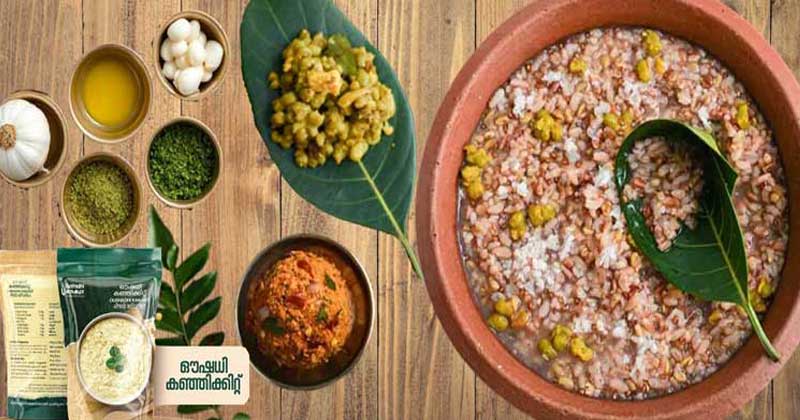
  • Favour Low-Glycemic Foods: Foods such as quinoa, barley, brown rice, and vegetables like bitter melon (karela) and fenugreek help maintain stable blood sugar levels.
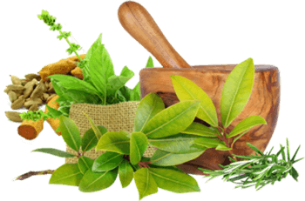
  • Incorporate Herbal Remedies: Herbs like neem, turmeric, cinnamon, and fenugreek are known for their anti-diabetic properties.
  • Avoid Processed and Sugary Foods: Avoiding refined sugars, processed foods, and fried items is essential to reduce Kapha and ama in the body.
  • Eat at Regular Intervals: Three meals a day along with healthy snacks prevent blood sugar spikes, with the largest meal at lunch when digestion is at its peak.
  • Mindful Eating: Ayurveda promotes eating with awareness, chewing food thoroughly, and eating in a calm, relaxed environment.

3. Exercise and Physical Activity

Physical activity is essential in Ayurveda for managing diabetes. It helps balance doshas, improve digestion, and enhance metabolism. Recommended exercises include:

  • Walking: A simple walk after meals aids digestion and prevents the accumulation of toxins.
  • Yoga and Pranayama: Regular yoga practice and breathing exercises help regulate blood sugar and reduce stress. Poses like Surya Namaskar, Trikonasana, and Padmasana are beneficial.
  • Avoid Overexertion: Ayurveda advises against strenuous exercise, which can deplete the body's vital energy.

4. Stress Management and Mental Health

Chronic stress contributes to Vata imbalances and affects insulin production. Managing mental health is crucial for regulating blood sugar levels:

  • Meditation and Relaxation: Practices such as mindfulness meditation and mantra chanting help calm the mind and balance emotions.
  • Abhyanga (Oil Massage): Self-massage with warm oil, especially using sesame oil or medicated oils like Brahmi and Ashwagandha, reduces stress and enhances circulation.

5. Daily Routine (Dinacharya)

A regular routine is essential to support Ayurvedic healing:

  • Wake Up Early: Ayurveda recommends waking up before sunrise to align with natural rhythms.
  • Hydration: Drinking water infused with cumin, coriander, and fennel helps regulate digestion.
  • Adequate Sleep: Ensure a restful sleep cycle by going to bed early and waking up early to restore energy.

6. Herbal Remedies and Supplements

Certain Ayurvedic herbs are used to regulate blood sugar levels and support overall health:

  • Bitter Melon (Karela): Known to lower blood sugar levels, bitter melon is widely recommended for diabetes management.
  • Fenugreek: Rich in soluble fiber, fenugreek helps reduce blood sugar and improve insulin sensitivity.
  • Ashwagandha: An adaptogen that helps reduce stress, which is crucial for managing diabetes.
  • Turmeric: Curcumin in turmeric has anti-inflammatory properties and helps regulate blood sugar.

7. Ayurvedic Medicines

Ayurvedic medicines, such as Nisha Katakadi Kashayam, Ayaskriti, and Prameshoushadhi, are increasingly recognized as effective in supporting diabetes management. These formulations, when prescribed by a qualified Ayurvedic physician, can complement conventional treatments.

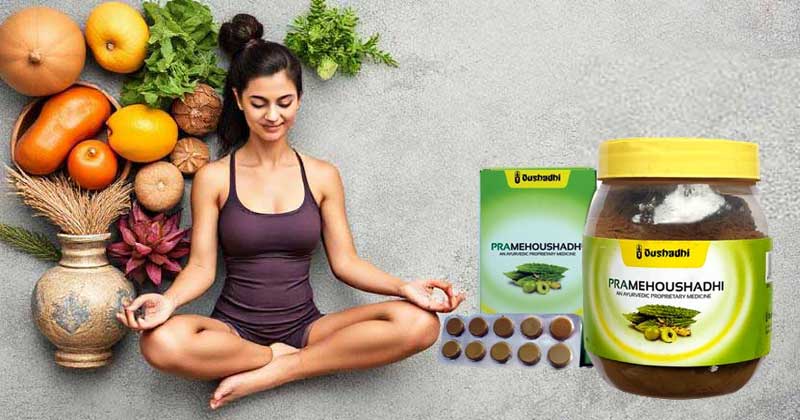
Pramehoushadhi, a patented Ayurvedic medicine from Oushadhi, comprises 14 herbal ingredients traditionally used to regulate blood sugar levels and enhance metabolic health. It’s specifically designed to support the management of Type II diabetes (referred to as “Prameha” in Ayurveda), along with associated symptoms. It is available in two convenient forms (powder and tablets) and is intended to be taken under proper guidance, with attention to dosage, timing, and ongoing monitoring.

8. Regular Detoxification (Panchakarma)

Detoxification therapies like Panchakarma remove toxins from the body and rejuvenate the organs, especially the pancreas and liver, improving metabolism and blood sugar regulation.

Conclusion

Ayurveda offers a holistic approach to managing diabetes by addressing root causes and promoting balance through diet, exercise, stress management, and herbal remedies. A healthy Ayurvedic lifestyle complements conventional treatments and empowers individuals to live a balanced and healthier life.

Always consult an Ayurvedic practitioner before starting any new treatment or lifestyle changes, as they can guide you on the appropriate methods tailored to your unique constitution (Prakriti).

Start Your Wellness Journey Today!
Ayurveda, consultation