Ayurvedic Postnatal Care: A Natural Path to Rejuvenation and Well-being
Embrace holistic healing through Ayurveda for a smooth and nurturing postnatal recovery
Understanding Sutika Kala: The Postnatal Window
In Ayurveda, the postnatal phase traditionally observed for 45 days to six months after childbirth is considered a vulnerable yet powerful time for the new mother. The process of delivery leaves Vata dosha (the bio-energy responsible for movement and nervous system functions) in a disturbed state. If not properly managed, this imbalance may manifest as fatigue, digestive issues, joint pain, anxiety, or even postpartum depression.
Ayurvedic care during this period focuses on calming Vata, rebuilding bodily tissues (Dhatus), and restoring Ojas, the vital life energy.
Core Objectives of Ayurvedic Postnatal Treatment
- Balancing Vata Dosha: Through warmth, grounding routines, and medicated oils, Ayurveda calms the erratic Vata energies heightened during delivery.
- Rejuvenating Tissues (Dhatu Poshana): Nutrient-rich foods and herbal preparations help regenerate the body's tissues, enhance stamina, and promote healthy lactation.
- Uterine Healing and Cleansing: Specialised herbal formulations and massages aid in toning the uterus, reducing lochia, and accelerating internal healing.
- Enhancing Milk Production (Stanya Janana): Herbs such as Shatavari and fenugreek naturally improve both the quantity and quality of breast milk.
Signature Treatments in Ayurvedic Postnatal Care
- Abhyanga (Medicated Oil Massage): Daily warm oil massage using herbal oils such as Dhanwantharam Thailam or Balashwagandhadi Thailam improves blood flow, relieves muscle tension, and provides emotional grounding.
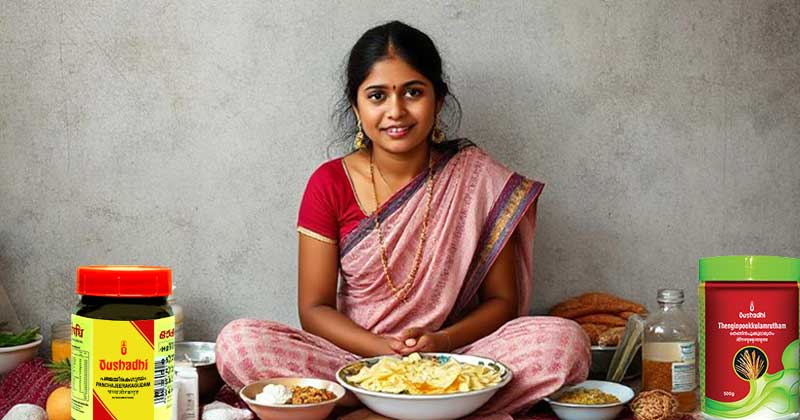
- Herbal Decoctions and Tonics: Dashamoola Kwatha and Jeerakarishtam help in reducing inflammation, strengthening the uterus, and promoting healthy lactation. Oushdhi Panchajeerakagudam (to strengthen the uterus, boost digestion, enhance immunity, and support lactation.), Oushdhi Soubhagya Sunti modakam (aid in digestion, improve lactation, and promote overall well-being), Oushadhi Thenginpookulamrutham (for back-ache, excessive vaginal white discharge, prolonged menstrual bleedin, Post -natal disorders,Increases breast milk, improves health and vigour.)
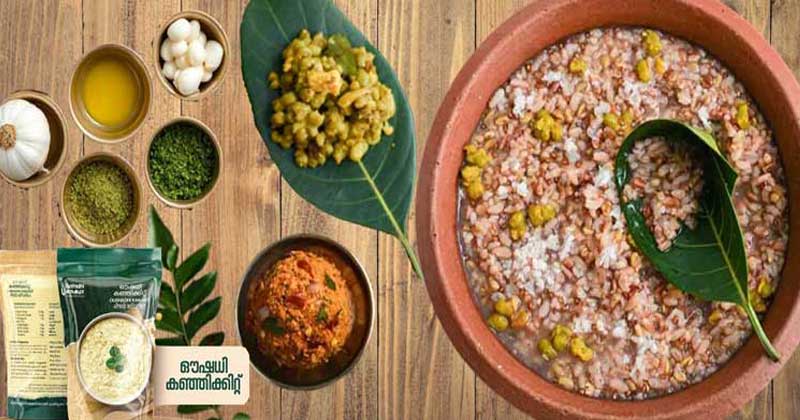
- Specialised Diet (Pathya Ahara): A healing diet including rice gruel, moong dal, and cumin-spiced porridge is key to restoring digestive fire (Agni).
- Basti (Medicated Enema Therapy): Used to cleanse the colon and pacify Vata, under proper supervision.
- External Therapies:
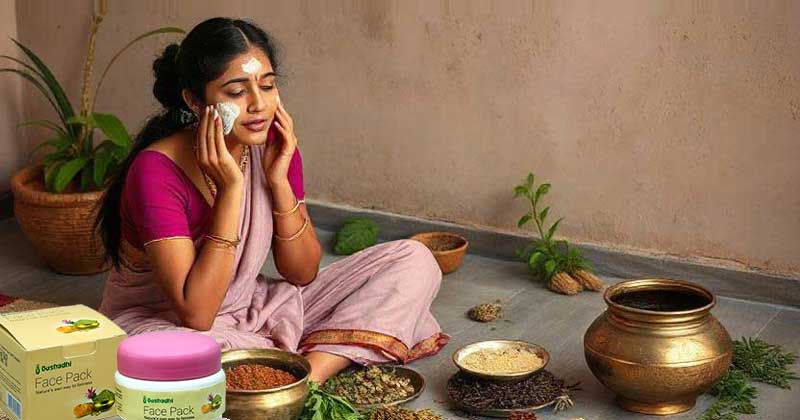
- Udvartanam: Herbal powder massage to tone muscles and reduce swelling.
- Pinda Sweda: Warm poultice massage for muscular recovery.
- Shirodhara: Gentle oil streaming over the forehead to relieve stress and improve sleep.
Mental and Emotional Wellness
In Ayurveda, healing is incomplete without attention to the mind. Gentle Pranayama (breathing practices), Nada Chikitsa (sound therapy), meditation, and restorative yoga are encouraged to help the new mother stay centred, calm, and emotionally supported during this delicate phase.
A Gentle Integration with Modern Care
Ayurvedic postnatal care does not require abandoning modern medicine. It complements it beautifully when practised under the guidance of a certified Ayurvedic practitioner. Whether followed at home or in a specialised Sutika Griha (Ayurvedic postpartum centre), these practices help women recover not just physically but spiritually and emotionally.
Final Thoughts
Motherhood is a powerful rebirth for the woman as well. By honouring the postpartum journey with Ayurvedic wisdom, new mothers can reclaim their strength, deepen their bond with their babies, and navigate this new phase of life with confidence. Ayurveda offers more than recovery, it offers a transformation.